
My Solana Summit in Belgrade 2026: the most interesting part happened away from the stage
Until the last week of August, Solana lived for me behind a screen: a validator to keep in shape, a dashboard to run, a feed that never stops. Then I found myself in the Sava Congress Center in Belgrade, with 2,500 people in one building. I had a rough idea of what I wanted from those two days. I did not think it would be this easy.
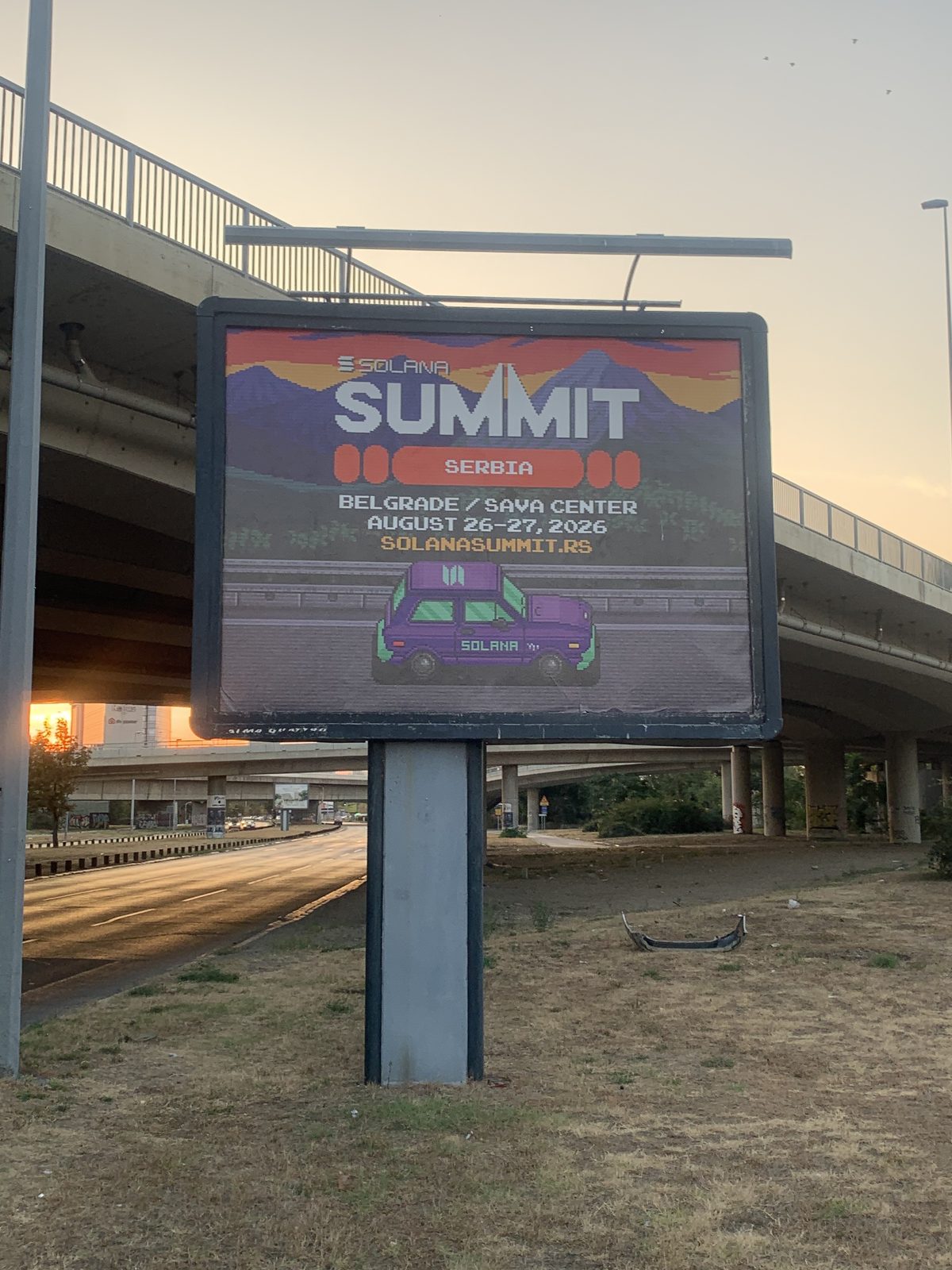
I went mainly for the networking. I still started in the main hall.
I went to Belgrade to meet new people worth meeting, and to see from the inside how events like this actually work. That was the plan. I still started in the main hall, because that is where you look around, see who showed up, and catch the mood of the first morning.
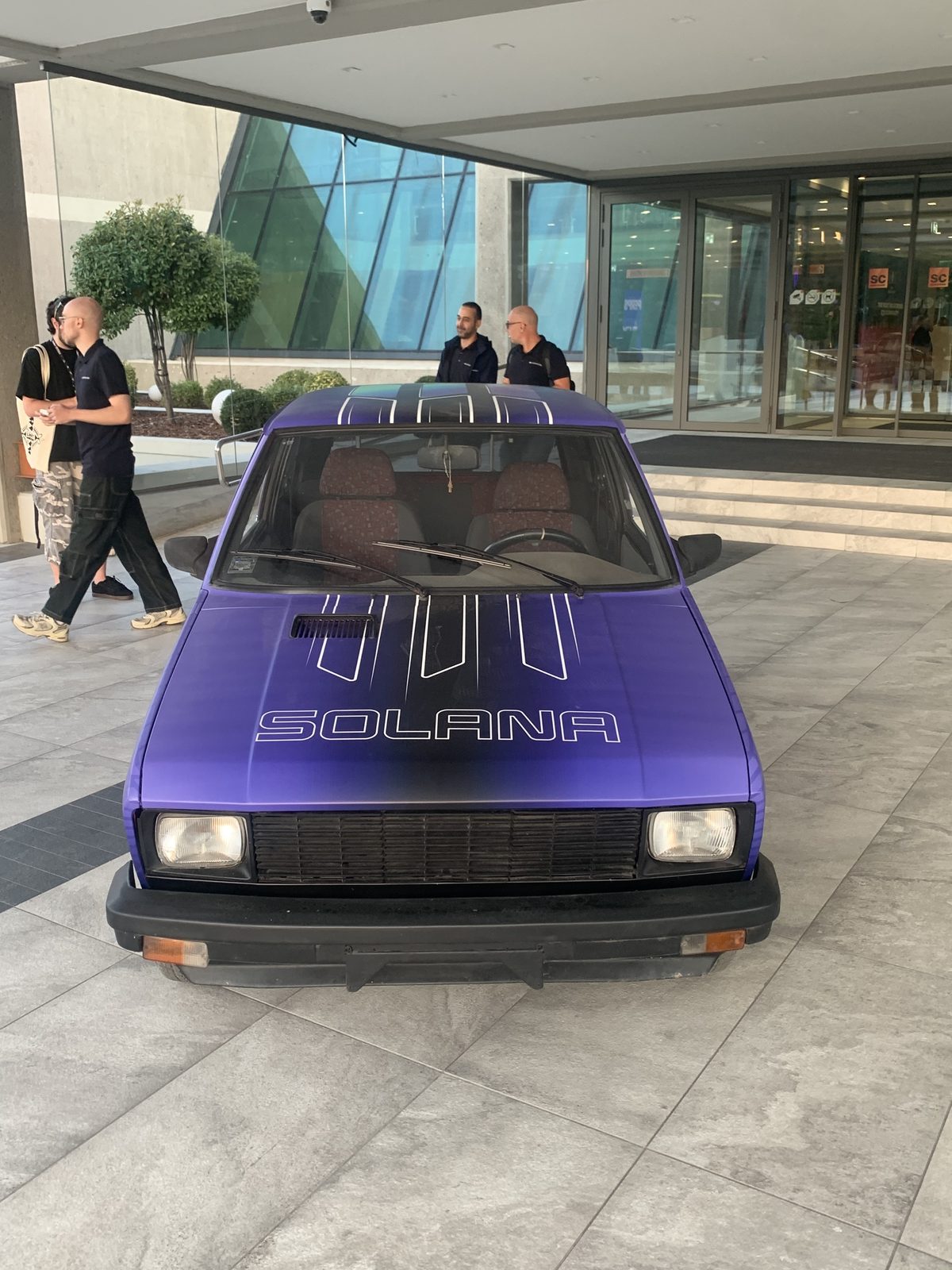
Why it turned out easier than I thought
I would not call myself especially outgoing. I am not the person who walks up to a stranger in a packed hall and starts talking. So, honestly: I expected the networking to cost me energy, nerves, and a pile of forced opening lines.
It cost almost nothing. Everyone in that building already shared a context, and that removes the hardest part of meeting people: you never have to explain from zero what you do, and you never have to prove why it is interesting. Conversations started on their own – automatically, and as naturally as they get. No tension on the communications side – only warm feelings.
I was not looking for some hidden event behind the scenes. I just needed time to notice that the conversations I had come for were already happening around me – in the hall, in the corridors, between sessions. Joining them turned out to be simpler than I thought.
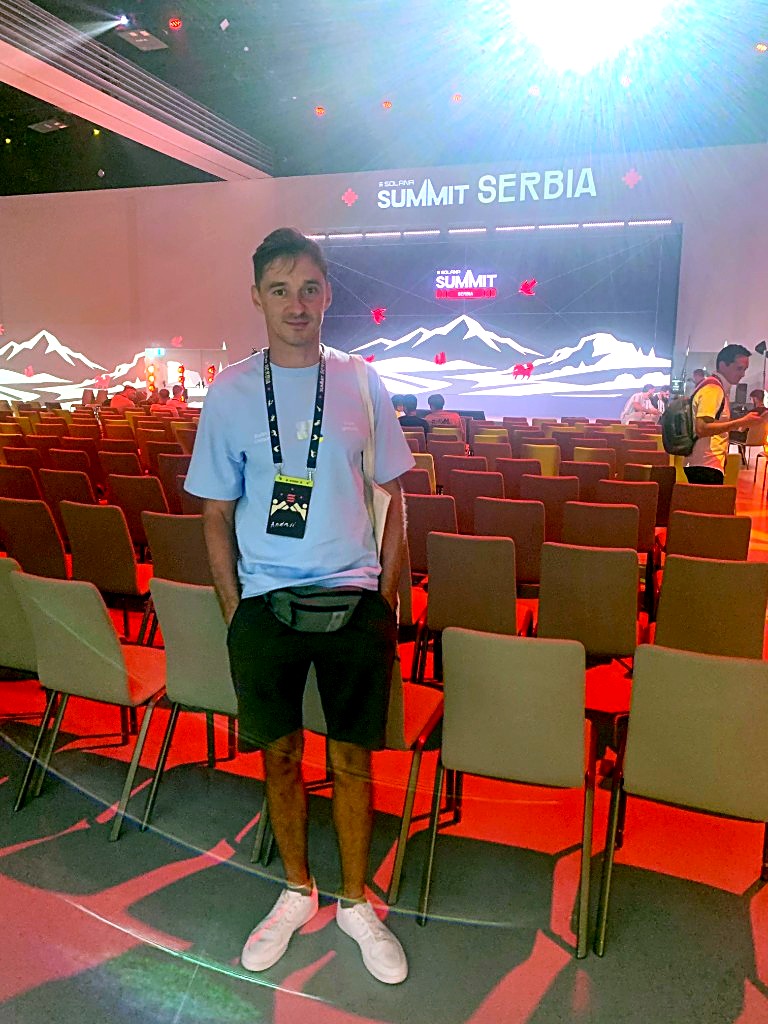
What a summit actually is
The programme is not the event. The programme is the reason everyone ends up in the same building, at the same time, with similar ideas in their heads. The event itself happens in the gaps: the coffee queue, the corridor by the second stage, the fifteen minutes before a side event starts – and at the side event itself, for that matter.
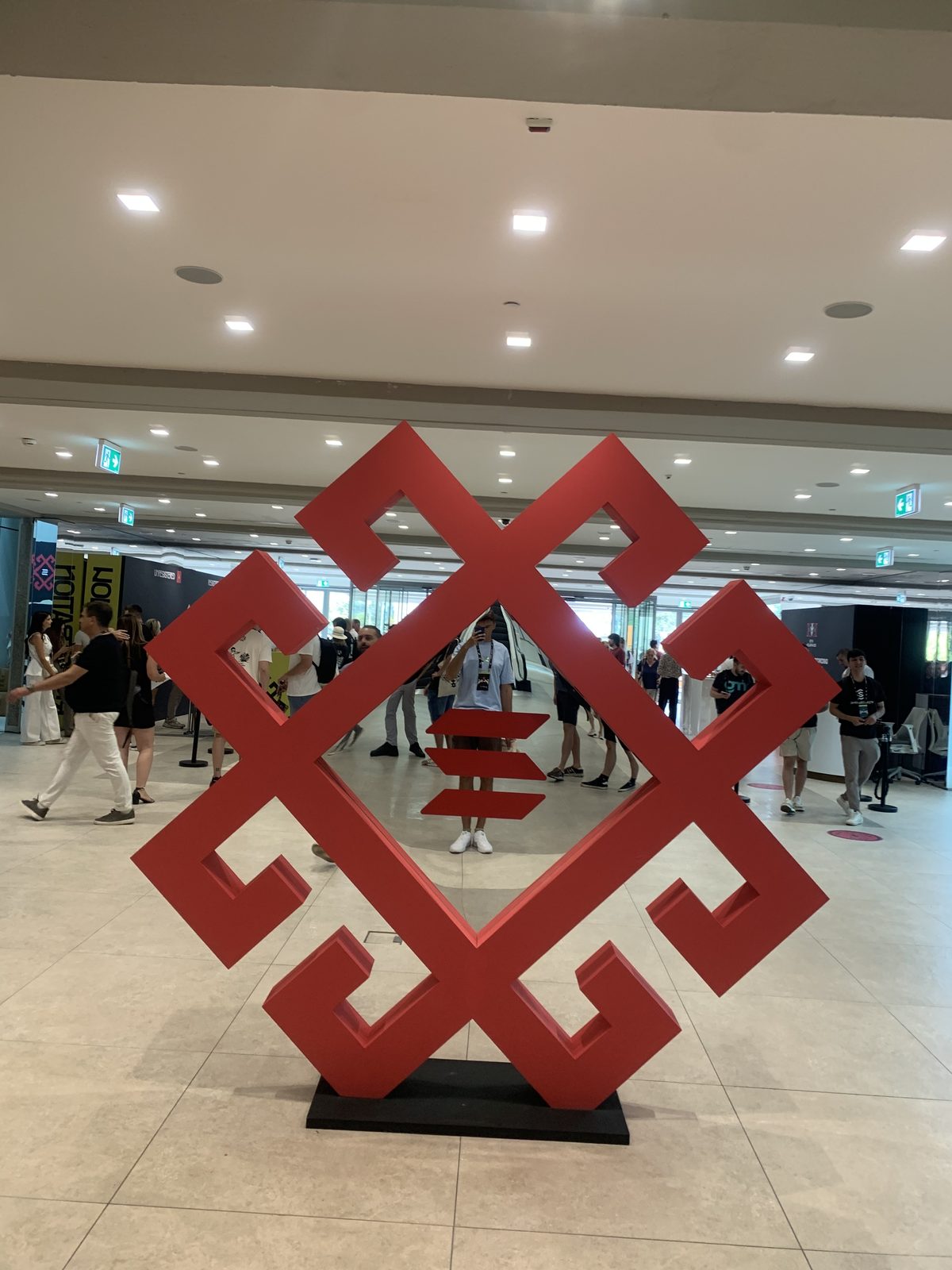
What an online feed cannot give you
Online, an ecosystem shrinks to avatars, handles, threads and price. Everyone is either a position or a take. You get used to reading people through a very narrow slit, and every so often you get them wrong.
In person that slit becomes a door. In about twenty seconds you can tell what someone actually does – from what they ask back, and from whether they get specific when you get specific. Trust forms in a way it never does over messages: what would have taken three weeks of careful DMs happens in four minutes at a table.
There was a second effect I was not prepared for. Running infrastructure and writing guides is quiet, solitary work: monitoring, upgrades, edits, fixes. Most of it is invisible, and nobody applauds it. It is easy to forget there is anyone on the other end. Then you meet people with the same setup, who hit the same problem at three in the morning, who read the thing you wrote. The abstraction breaks into actual people, and the work looks different after that.
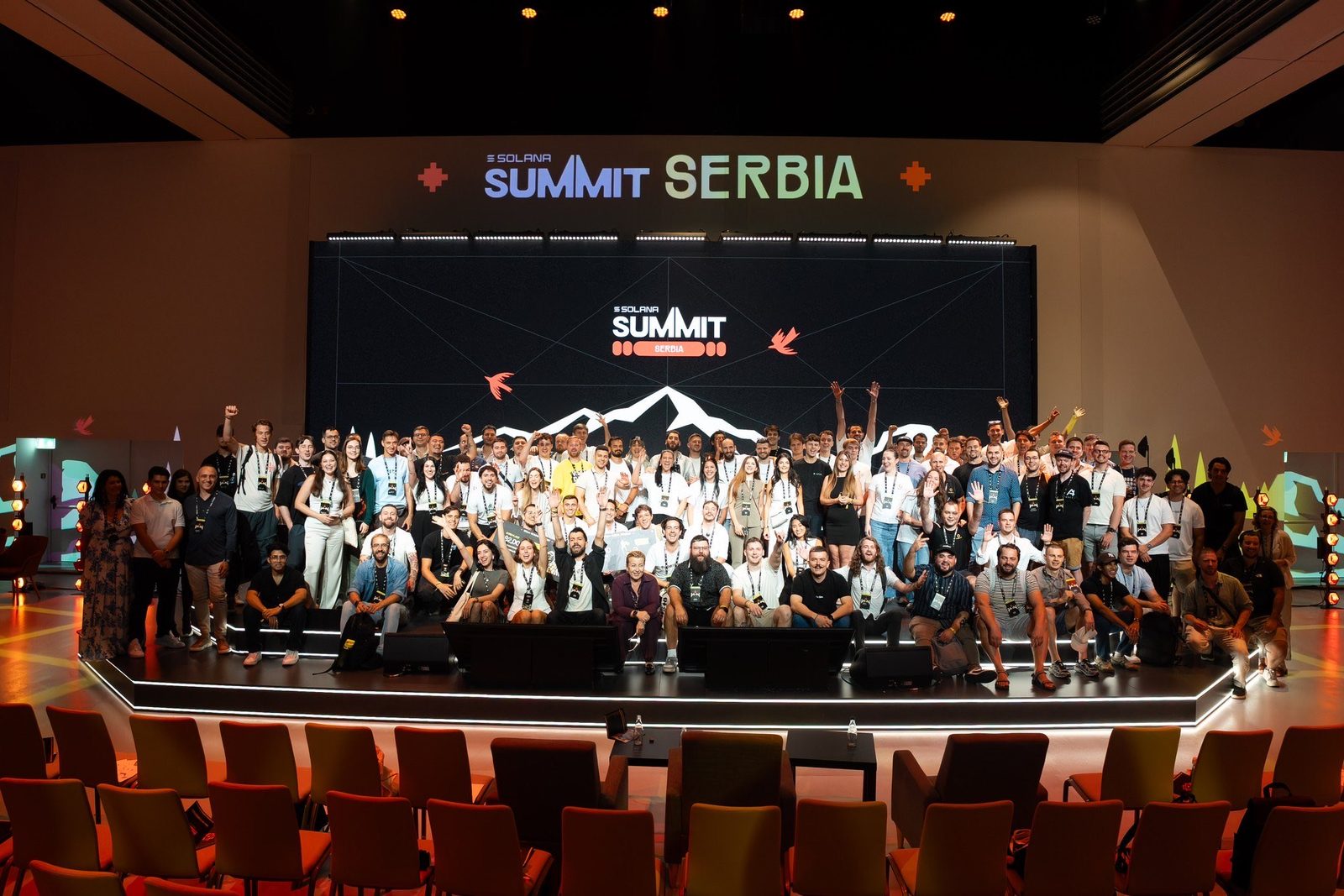
Take a selfie, then write in DM. After a good conversation people swap contacts, send a short "this is me, I do X" and take a photo together. The selfie is not for the feed. It is so that a week later, when all the names have blurred, you still remember who you actually talked to.
By day two I had stopped scolding myself for the sessions I was missing. Talks get recorded. The person standing in front of you does not.
Decide what you came for
Walking around, you could see people spending these two days in completely different ways. Some were filming, running interviews, capturing every minute. Others were just talking. Plenty did both, depending on who was in front of them.
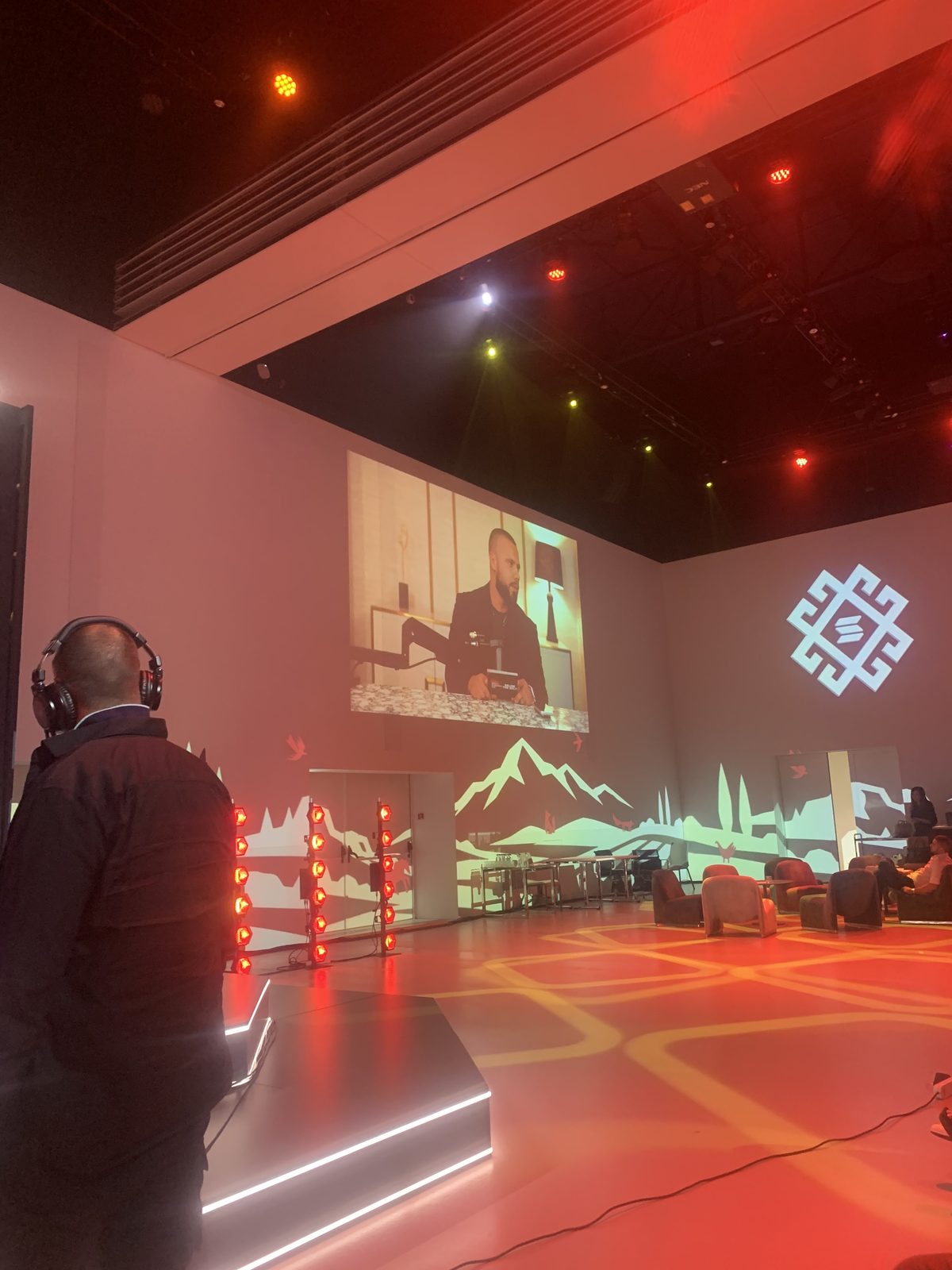
There is no right way here – it depends on the person and their goals. What matters is having your own answer to one question before you arrive: what did I come for? Mine was simple: meet people, make friends, and see from the inside how a summit works. I ticked all three, which is why I do not feel like I missed a thing.
What I would tell a first-timer
- Read the programme in advance and mark what you actually want. Not just the talks – the side events too. There are a lot of them around the summit, and choosing beforehand is much easier than deciding on the spot when you are already tired.
- Pick a few talks and let yourself skip the rest. Knowing what to miss is, basically, the whole skill. The recordings will still be there.
- Prepare one sentence, not a pitch. Mine was: "I run a validator and write about Solana in plain English." A good first line ends with a question coming back at you, not with the other person looking for an exit.
- Ask people what they are stuck on. Best question at any conference: you skip the small talk, you actually want to hear the answer, and sometimes you can help.
So, was it worth going?
Definitely – and on the simple level it went exactly as planned. I went to meet people and to see a summit from the inside. That is what those two days gave me.
There is an emotional level too. That is where every expectation I had was exceeded: the organisation of the events, the hospitality of Belgrade, and how good the people I met were.
What I had not planned for was the second part. How the work feels different once the ecosystem stops being a set of accounts and becomes people. I came home knowing that behind the handles I read every day there are people as invested in this working as I am. And you only become sure of that once you meet them in person.
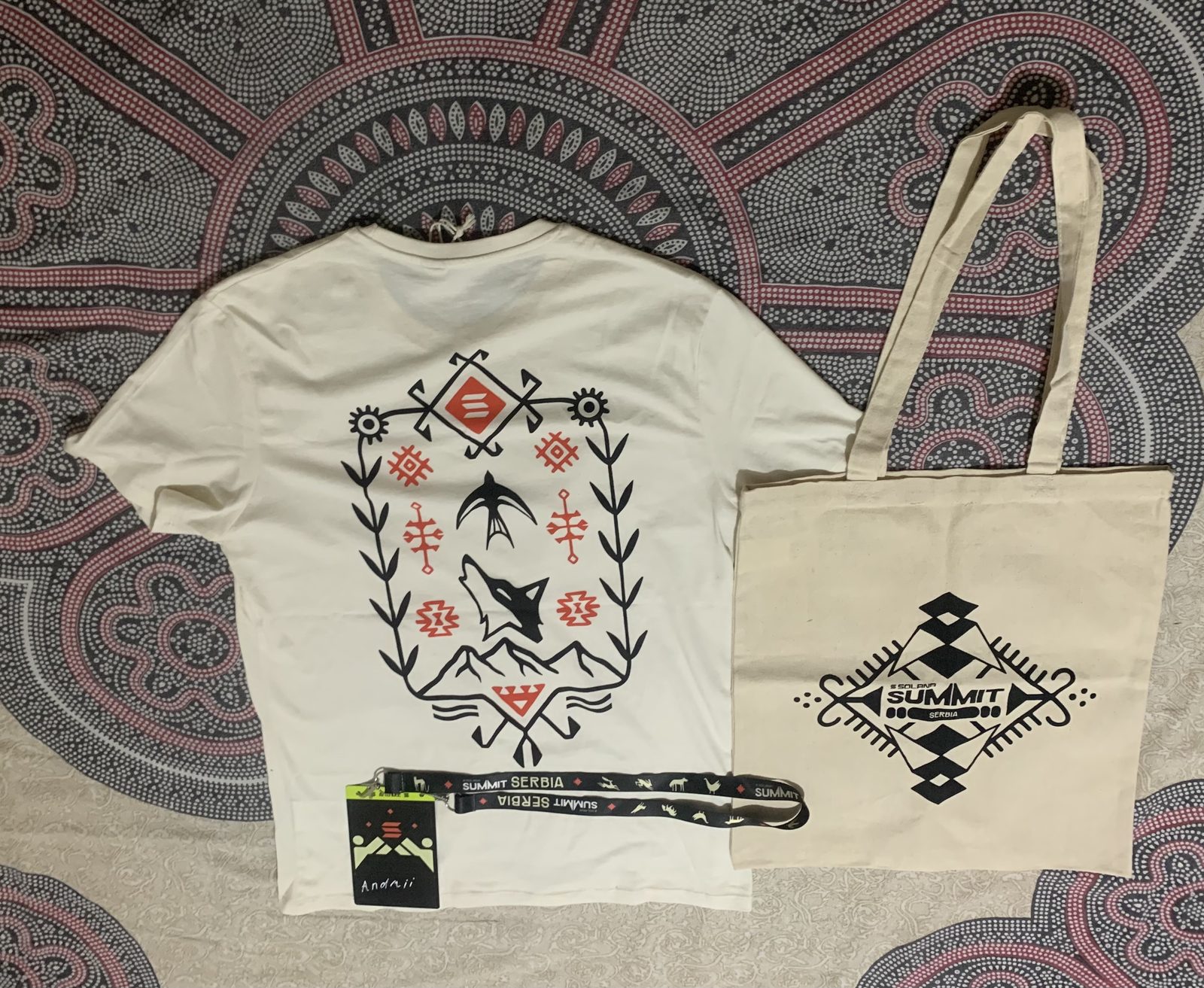
From now on, when I write about validators or explain staking to someone new, there will be specific people and conversations from Belgrade behind those words – not faceless handles. A strange thing to bring back from a two-day conference. Also the most useful one.